
Moulton Park is home to a rich variety of native and planted trees.Each species contributes to the park’s biodiversity, seasonal beauty, and wildlife habitats.
Ash
One of our most beloved trees. Ash is one of the most common trees in the UK. It is a tall, graceful tree with compound leaves. It can reach a height of 35m. It is easily identified in winter by its smooth twigs that have distinctive black, velvety leaf buds arranged opposite each other.

Blackthorn
Blackthorn is a dense hedgerow shrub known for its white spring blossoms that brighten the landscape. It produces small, dark fruits called sloes, which are an important food source for wildlife and are famously used to make sloe gin. This hardy shrub provides excellent shelter for birds and insects.

Beech
Sometimes called 'the Lady of the Woods'. It is a shade tolerant species and can withstand wind exposure and cold temperatures.
Smooth grey bark and dense canopy. Produces nuts eaten by wildlife. Stunning golden leaves in autumn.

Cherry
The cherry tree is known for its beautiful spring blossom that brightens the landscape. Its fruits provide an important food source for birds and other wildlife during the summer months. The tree also supports pollinators with its nectar-rich flowers.

Birch
Birch trees have light bark and delicate leaves. Birch trees are pioneer species, known for their resilience and help to stabilize ecosystems. They provide important habitats and food sources for wildlife.

Crab Apple
A small tree with delicate pinkish blossoms that brighten the spring. Its fruits, known as crab apples, provide an important food source for birds and mammals throughout the year. Crab apple trees support a variety of wildlife, including insects and fungi, and have been valued for their ornamental beauty and ecological benefits.


A Tree Guide for
Moulton Park
Dog Rose
Dog Rose is a climbing shrub known for its delicate pink flowers that brighten hedgerows in spring and summer. Its bright red rose hips provide an important source of winter food for birds and other wildlife. This hardy shrub also offers shelter and nesting sites.

Field Maple
The field maple is the UK’s only native maple species, known for its beautiful golden foliage in autumn. It is a slow-growing, sturdy tree often found in hedgerows and woodlands. The tree supports a variety of insects, including aphids, which provide an important food source for birds. Its small, winged seeds are dispersed by the wind, helping it to colonize new areas.

Dogwood
Dogwood is known for its striking colourful stems in winter. This small shrub produces clusters of creamy-white flowers in spring that attract pollinators. In autumn, it bears small black berries that provide food for birds and mammals. It offers excellent shelter and nesting sites for small animals and contributes to the health of woodland edges and hedgerows.

Grey Willow
Grey willow thrives in damp, wet areas such as riverbanks and wetlands. It produces early spring catkins that provide an important source of nectar and pollen for early pollinators like bees and butterflies. The tree also supports a variety of insects and helps stabilize soil in flood-prone areas, making it vital for healthy ecosystems.

Elder
Elder produces fragrant, creamy-white flowers in late spring and dark purple berries in autumn. These flowers provide nectar for a variety of pollinators, while the berries are an important food source for birds and mammals. Elder shrubs also offer shelter and nesting sites, supporting biodiversity in woodlands and hedgerows.

Hawthorn
Hawthorn is a dense, thorny shrub known for its abundant white spring blossoms that fill the hedgerows with a sweet fragrance. Its deep red berries, called haws, provide a food source for many bird species during autumn and winter. This hardy plant supports over 300 insect species and offers excellent shelter and nesting sites for birds and small mammals.

Hazel
Hazel produces nuts loved by squirrels and other small mammals. It supports the elusive hazel dormouse, a rare and protected species, as well as a wide variety of insects. This versatile tree thrives in woodlands, hedgerows, and scrub, providing important habitats and food sources. Its long catkins appear in early spring, offering pollen for early pollinators, while its dense foliage offers shelter and nesting sites for birds and insects.

Maple
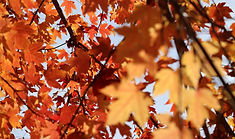
Maple trees are known for their distinctive palmate leaves that turn vibrant shades of yellow, orange, and red in autumn, creating stunning seasonal displays. They support a variety of insects, including caterpillars and pollinators, and their seeds, called samaras, provide food for birds and small mammals. Maples contribute to the park's biodiversity and add striking color throughout the year.
Horse Chestnut
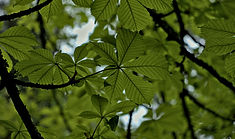
The horse chestnut is a large, broad tree known for its shiny, brown conkers encased in spiky green husks that appear in autumn. It produces tall, upright clusters of pinkish-white flowers in spring, attracting pollinators. This tree can grow up to 40 meters tall and provides habitat for various insects and birds. Originally introduced to the UK in the 17th century, it remains a beloved feature in parks and woodlands.
Oak
The oak is an iconic British tree, renowned for its strength, longevity, and majestic presence. It supports more wildlife species than any other native UK tree, providing habitat and food for over 2,300 species of insects, birds, and mammals. Its sprawling branches and dense canopy offer shelter and nesting sites, while its acorns are a vital food source for many animals, especially in autumn and winter.

Lime
Lime trees produce fragrant flowers that attract a variety of bees and other pollinators. They grow into large, leafy trees that provide ample shade and shelter for wildlife and park visitors alike. Their dense canopy offers nesting sites for birds and helps create a cool, shaded environment during warmer months.

Poplar
Poplar is a fast-growing, tall tree often found near watercourses and open spaces. It provides excellent shelter and acts as a natural windbreak, helping to protect other plants and wildlife. Poplars support a variety of insects and birds, contributing to the park's biodiversity.

Rowan
Rowan trees produce clusters of bright red berries in autumn that provide an important food source for many bird species. Known as the 'mountain ash', rowans have a rich place in folklore and mythology, often regarded as protective trees. Their delicate white flowers in spring attract pollinators, and the tree offers shelter and nesting sites for wildlife

Silver Birch
The silver birch is one of the most distinctive and elegant trees found in Moulton Park. Its striking white bark often peels in thin, papery layers, making it instantly recognisable. They provide important habitats and food sources for wildlife, including birds and insects, and contribute to air and soil purification.

Sycamore
Sycamore trees are easily recognized by their broad, lobed leaves and distinctive helicopter-like seeds, known as samaras, which spin as they fall, aiding in seed dispersal. They provide ample shade with their dense canopy and support a wide variety of insects, including pollinators and caterpillars. Sycamores are hardy and adaptable
