

What Can You See in Moulton Park
Moulton Park in Lincolnshire is home to a wide variety of wildlife, including deer, bats, squirrels, birds, butterflies, and other small mammals. It’s a thriving 20‑acre green space designed to encourage biodiversity and community enjoyment.
Bats

Bats often seen at dusk as they swoop gracefully through the air hunting insects. The county is home to eleven species, including the common pipistrelle and the brown long‑eared bat, which roost in trees. Bats play a vital role in the ecosystem by controlling insect populations making them an important part of the natural heritage of places like Moulton Park.
Butterflies
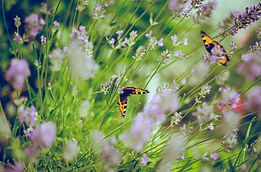
Butterflies bring colour to Moulton Park’s wildflower meadows in summer, with species such as red admirals, peacocks, and small tortoiseshells commonly seen. As important pollinators, they help sustain wildflowers and fruiting trees, while their presence also indicates a healthy environment.
Hedgehogs

Hedgehogs are nocturnal mammals that forage at night. In Moulton Park, they search for beetles, worms, and other small invertebrates, playing an important role in keeping insect populations balanced. During the day, hedgehogs rest in hedgerows, leaf piles, or under logs, using these sheltered spots for protection. As the colder months arrive, they hibernate in carefully built nests of leaves and grass, emerging again in spring.
Bees

Bees are essential pollinators in Moulton Park, buzzing around lime, cherry, and crab apple blossoms. By supporting wildflowers and fruiting trees, they help sustain habitats for birds, mammals, and other wildlife. Their presence enriches the park’s natural beauty and highlights its value as a community green space for nature walks, wildlife spotting, and seasonal blooms.
Buzzard

The buzzard (Buteo buteo) is the UK’s most common bird of prey, recognised by its broad wings, soaring flight, and distinctive mewing call. Highly adaptable, it thrives across farmland, woodlands, and moorlands, feeding on small mammals, birds, and carrion. Breeding pairs build large stick nests in trees, raising two to three chicks each spring. Their presence signals healthy habitats, and they remain a favourite among birdwatchers for their dramatic aerial displays.
Blackbirds

Blackbirds are easily recognized by their melodious song, with males jet black and bright orange beaks. Often seen hopping across lawns, they feed on worms, insects, and berries, making them a familiar and charming presence in Moulton Park.
Chiffchaff

The Chiffchaff is a small, lively woodland bird known for its distinctive “chiff-chaff” song. Olive-brown above and pale below, it feeds on insects and other small invertebrates. A common summer visitor in Europe, it nests in shrubs and low trees, often near water. Its constant, energetic movements and cheerful song make it a delight for birdwatchers.
Muntjac Deer

Muntjac deer are small, stocky deer now widespread across Lincolnshire. Recognizable by their hunched posture and barking call, they are often seen grazing on grasses, shoots, and shrubs. Unlike other deer, muntjacs breed all year round, and males have small antlers and tusk‑like teeth.
Robins

Robins are one of the UK’s most familiar and well‑loved birds, instantly recognizable by their bright red breasts and melodic song. In Moulton Park, they can be seen year‑round, often perched on branches or hopping across lawns in search of food. Their diet includes insects, worms, and berries, making them important contributors to the park’s ecosystem. Unlike many birds, robins sing throughout the winter, with males using their cheerful song to defend territories even in the colder months.
Owls

Moulton Park is home to several owl species, including barn owls gliding silently at dusk, tawny owls with their distinctive calls in wooded areas, and the occasional short‑eared owl in nearby grasslands. More than a captivating sight, these owls play a vital ecological role by controlling rodent populations and helping maintain balance in the local habitat, highlighting the park’s rich biodiversity.
Roe Deer

Roe deer are small, attractive deer with a pale rump and short antlers, usually three‑pointed in males. They are solitary in summer but form groups in winter. Feeding on grasses, herbs, and young shoots, roe deer play an important role in shaping habitats. Once rare in Lincolnshire, they are now widespread across the county and are protected under the UK Deer Act 1991.
Rabbits

Rabbits are a familiar sight in Lincolnshire’s grasslands and hedgerows, often seen grazing in open areas of Moulton Park. Feeding mainly on grasses, herbs, and young shoots, they play a role in shaping vegetation and supporting the food chain for predators such as foxes and birds of prey. Living in burrows called warrens, rabbits are social animals that form colonies, and their activity is most noticeable at dawn and dusk.
Squirrels

Grey squirrels are a common sight in Lincolnshire’s woodlands and parks, including Moulton Park. Although not native to the UK grey squirrels have spread widely and are now the most frequently seen squirrel species. They build leafy nests called dreys high in trees, where they shelter and raise their young. Their lively presence adds movement to the woodland, though they can compete with native red squirrels for food and habitat.
Voles

Voles are small, mouse‑like rodents. They feed on grasses, seeds, and roots, and their burrowing helps aerate the soil. Voles are an important part of the food chain, providing prey for owls, kestrels, and foxes. With their short tails and rounded snouts, they are easily distinguished from mice, and their presence is a sign of healthy habitats supporting diverse wildlife.
Woodpeckers

Woodpeckers are striking birds known for their rhythmic drumming on tree trunks as they search for insects beneath the bark. The most commonly seen species are the great spotted woodpecker and the green woodpecker. Great spotted woodpeckers are black and white with a red patch under the tail, while green woodpeckers are larger, olive‑green, and often found feeding on ants in grassy areas. Both species nest in holes they excavate in trees, providing shelter for other wildlife once abandoned.
Woodpigeon

The woodpigeon is the UK’s largest and most common pigeon, instantly recognisable by its grey plumage, pink breast, and distinctive white neck patch. In flight, the bold white wing bars make it easy to spot, while its familiar five‑note cooing call is a soundtrack to gardens, parks, and woodlands across the country.


